


What are the benefits of adding additives to chicken feed?

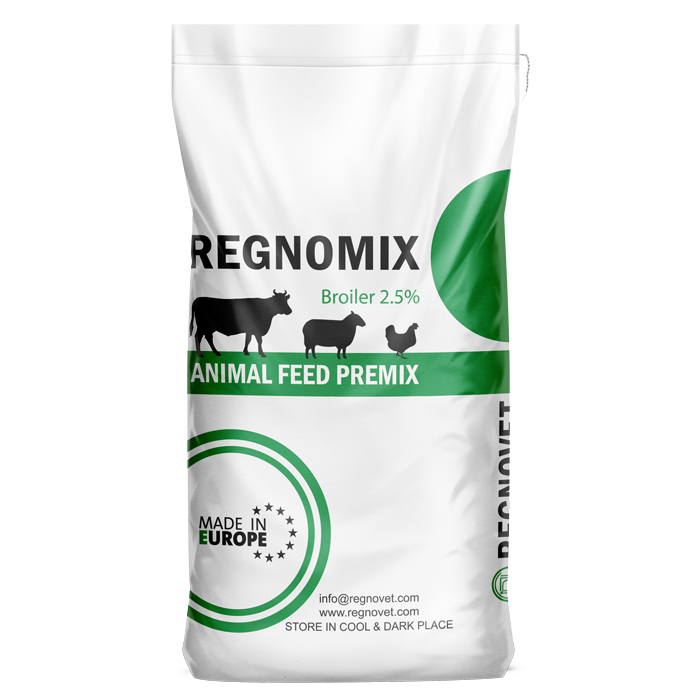
In modern poultry farming, nutrition extends far beyond basic grain mixes. Feed additives have revolutionized the industry by optimizing flock health, enhancing growth rates, and lowering operational costs. By incorporating targeted additives into daily feed, farmers and producers can unlock the full genetic potential of their birds while maintaining a sustainable and disease-resistant environment.
Benefits of Adding Additives to Chicken Feed
Adding feed additives to poultry diets significantly enhances health, productivity, and overall feed efficiency. Below are the primary benefits:
- Enhanced Growth and Performance
- Proteins and Amino Acids: Supplementing feed with essential amino acids and high-quality proteins optimizes growth rates, improves feed conversion ratios (FCR), and accelerates overall weight gain in broilers.
- Vitamins and Minerals: Key vitamins (A, D3, E) and essential minerals (calcium, phosphorus, and trace elements) support robust bone development, strengthen immune response, and boost egg production.
- Improved Digestibility and Nutrient Absorption
- Enzymes: Exogenous enzymes, such as phytase, break down complex carbohydrates, anti-nutritional factors, and fiber. This enables chickens to digest feed more efficiently and maximize nutrient absorption.
- Probiotics & Prebiotics: These additives promote a healthy gut microbiome by supporting beneficial bacterial populations, leading to superior digestion, enhanced nutrient uptake, and better overall health.
- Strengthened Immunity and Disease Resistance
- Antioxidants: Ingredients like Vitamin E and selenium reinforce the immune system and protect cells from oxidative stress, reducing disease susceptibility and enhancing flock resilience.
- Organic Acids: Acids such as formic or citric acid lower the pH level in the digestive tract, encouraging beneficial microflora while inhibiting harmful pathogens, thereby safeguarding gut health.
- Superior Egg Production and Shell Quality
- Calcium and Phosphorus: These minerals are vital for strong eggshell formation and structural integrity, preventing fractures and maintaining high egg production levels.
- Essential Fatty Acids: Incorporating Omega-3 fatty acids enriches the nutritional profile of the eggs, delivering healthier products for consumers.
- Optimized Feed Efficiency
- Targeted Feed Additives: Functional additives, such as coccidiostats, protect against intestinal damage, minimize energy loss, and help birds convert feed into mass more effectively, reducing waste and improving FCR.
- Reduced Environmental Impact
- Digestive Enhancers: By enhancing nutrient absorption and reducing undigested feed excreted by poultry, feed additives decrease nutrient runoff and environmental pollution.
- Minimization of Antibiotic Reliance
- Natural Antimicrobials: Phytogenic compounds, essential oils, and probiotics offer natural alternatives that support gut stability and disease defense, significantly reducing the need for routine antibiotics.
Conclusion
Integrating carefully selected additives into chicken feed empowers poultry producers to achieve superior growth rates, optimal bird health, and elevated productivity. Beyond improving farm profitability, this strategy reduces environmental impact and promotes sustainable, antibiotic-reduced farming practices.